7 Proven Sleep Strategies with Dr. Bijoy John [Ep. 99]


 Apple Podcasts

 Spotify

 Youtube Music

 Amazon Music

 TuneIn

 RSS Feed

 YouTube
I’m joined today by Dr. Bijoy John, a board-certified sleep specialist with over 25 years of experience. Dr. John discusses various sleep strategies from his new book, 'Nobody's Sleeping: The Seven Proven Sleep Strategies,' which addresses common sleep disorders like insomnia, sleep apnea, and restless leg syndrome. He emphasizes the importance of maintaining a regular sleep schedule, creating a low-light, low-noise, and low-temperature environment, exercising appropriately, and managing worries to improve sleep quality. The episode also covers how proper sleep impacts overall health and weight management, and offers practical advice for overcoming both sleep onset and maintenance insomnia.
More from Well with Lisa:
- Your Go-To Meal Guide: grab it HERE
- Schedule your free strategy/coaching session: wellwithlisa.as.me
- Want YOUR weight loss question answered on the podcast? Fill out this google form HERE
- Let's be friends! Follow me on instagram: @well_with_lisa
- Join the waitlist for group coaching HERE
More from Dr. Bijoy John:
- Website sleepfixacademy.com
- Book: Nobody’s Sleeping
- LinkedIn: @dr-sleepfix
About Dr. John:
Bijoy E. John, MD, is a board-certified physician and practicing sleep specialist currently in private practice with over 25 years of experience in Pulmonary/Critical Care and Sleep Medicine. Based in Nashville, TN, he treats both children and adults with various sleep disorders. Dr. John is the founder and medical director of Sleep Wellness Clinics of America which offers in-person and online consultation, education, modern diagnostic modalities, home testing, and comprehensive treatment for a full spectrum of sleep disorders.
He also is the founder of Sleep Fix Academy which offers online courses, podcasts, and other resources to improve sleep quality, and serves as an Assistant Professor at the University of Tennessee Health Science Center College of Medicine.
Dr. John is a member of the American College of Physicians, American Medical Association, and American Academy of Sleep Medicine. He was recognized as one of the Top 100 Physicians in Nashville for 2022 by My Nashville magazine. Additionally, he received the Top Sleep Specialist award consecutively from 2015–2020 from Nashville Lifestyle magazine, as voted by his peers and patients. He is also mentioned in Marquis Who’s Who as one of the Top Sleep Physicians for 2023-24.
Dr. John has been happily married to Dotty for 30 years and is the proud father of two grown children. He enjoys maintaining his coral reef aquarium, playing ping pong, tennis, golf, and loves to travel.
More from Well with Lisa:
- Schedule a free session: wellwithlisa.as.me
- Your Go-To Meal Guide: grab it HERE
- Instagram: @well_with_lisa
0:00 This is the Eat Well, Think Well, Live Well podcast. I'm Lisa Salsbury, and this is episode 99, 7 proven sleep strategies with Dr. Joy, John. But joy. John is a board certified physician and practicing sleep specialist currently in private practice with over 25 years of experience in pulmonary and critical care. And sleep medicine. He reached out to me to share some of his proven sleep strategies that are the foundation for his new book. Nobody's sleeping. I know that many of you struggle with sleep, whether it's primary insomnia, which we get into quite a bit here, or just going back to sleep when waking in the night. Sleep is so foundational to living well and to weight loss. I know you're going to really love this episode and the strategies that Dr.
0:41 John shares. Welcome to Eat Well, Think Well, Live Well; the podcast for women who want to lose weight, but are tired of counting and calculating all the food. I'm your host, Lisa Salsbury. I'm a certified health and weight loss coach and life coach, and most importantly a recovered chronic dieter. I'll teach you to figure out why you are eating when you aren't hungry, instead of worrying so much about what you are eating. Welcome back to the eat well, think well, live well podcast. I'm delighted to have Dr. Bijoy John here with me today. He is a board certified sleep specialist. And so obviously we're going to be talking about sleeping well today that falls directly in our living well pillar of the podcast.
1:28 Sleep is such an important part. Obviously we are going to get into that. So welcome Dr. John, please introduce yourself. Tell us a little bit about yourself and what you do. Well, thanks, Lisa. Thanks for having me on your show. You know, sleep is the foundation. It is the superpower. If you have a Lego, you put that sleep at the bottom, then you build your diet and fitness on it, right? So without sleep, you can't have the energy. You don't make the right choices with food. So it affects all parts of the body, you know, mind, heart. Uh, so. You know, this is within ourselves. It is free. I've discovered it over the years of practicing, you know, my background is pulmonary, but I'm a full board certified sleep specialist for the last three years.
2:10 I just started my own clinic. So I perfected the art and I want to share it with the world. So that's why I decided to write the book called Nobody's Sleeping, The Seven Proven Sleep Strategies. If you have time, we'll go all over that. I'm ready for all the questions, Lisa. Let's go. Perfect. Perfect. Okay. So let's start with the issues. What are the three most common, like sleep disorders, or maybe there's more than that, but I think you mentioned that there are three pretty common ones. Um, a lot of times when I'm talking to clients, when they're not getting enough sleep. The first thing I address is like, well, are you going to bed on time? A lot of times I find with my clients, especially their moms, their, their busy women, their midlife, they have a lot going.
2:54 They just don't go to bed on time because they have so much going on. And when we correct that, they get enough hours of sleep. But then there's the portion of my clients that have sleep disorder of some sort. They're not able to go to sleep or they were waking up in the night. So what's the three most common things that you are seeing that doesn't just have to do with the folks that just, just aren't going to bed on time. Like let's start with turning off the TV and going to bed on time, first of all, but if we've got that under control, what are some, some of the other issues that you see? So when I approach a sleep problem, I ask myself or the client was coming in. Is it primarily a sleep problem or you have underlying medical problems, psychological problem, or you have a sleep disorder, right?
3:37 So the most common sleep disorders in my clinic are insomnia, either you know, have difficulty going to sleep or staying asleep. Number two is sleep apnea. Number three is the restless leg syndrome that people have that prevents them from going to sleep. So now talking to medical problems, like if you have a heart problem, if you have a lung problem, if you have chronic pain, Uh, you know, or even if you have diabetes, you're using the restroom at multiple times during the night. You don't sleep well. Then comes the psychological problems, whether you have anxiety or depression. So, you know, if you're anxious, you don't sleep well. When you don't sleep well, you don't heal well. You're more anxious. So, so once I come to that conclusion, then we go into this pathway of, you know, addressing the, the three common sleep disorders.
4:20 That's how My approach is and it's a practical approach because if you have other problems, you can do everything you can, you won't be able to fall asleep because the other problems are affecting you. Yeah, that is such an issue because I mean, from, from my perspective, as far as like from coaching, like I said, mostly what I do is help people like prioritize their sleep. But if they have true insomnia, what do you see as the best ways to overcome that? Right. So that's called, you know, primary insomnia. You just can't turn your mind off. Then the other reasons are called the secondary or comorbid insomnia, either condition. So how do you do this? So I formed the 7 Proven Sleep Strategies. I have an acronym for that.
5:01 If your, you know, viewers are listening, you can write it down. It's called S L E E P. Now, sleep now acronym. So I'll go through one by one, which is practical. Uh, you know, I've perfected it over the last 25 years. So the first S is called the schedule, right? For every plan to succeed, we have to have a schedule. So if you, uh, the general time to go to sleep is between 10 PM and 6 AM. So if you go to bed at 10, you can't fall asleep till midnight. Don't go to bed at 10. So the inclination is most people, in fact, they go to bed at nine. Now you're suffering from nine to midnight. So go to bed closer to the time you fell asleep, like 1130. Then once you're able to establish that, move a little bit backwards to 1115, 1110, 45 and so forth.
5:46 But the most important thing here is you have to wake up at six. Um, so that's I'm trying to create a sleep debt. So that's the most important you have to have. So most people when they go through is very hard. The first two weeks, you know, people are very angry at me and they're angry at themselves. But after two weeks, you'll be so amazed. Your clock will start to turn. You'll start getting 15 minutes, 30 minutes increments. So, but you have to wake up at 6 a. m. So that's the S most important thing. Uh, the next is being the sorry, Dr. Dunn, let me interrupt you here. So what you're saying is you need to get up at the same time but you want to go get in bed at the time you typically go to sleep and then increase that, move it back by 15 minutes every day, or like how often can you move that So you have to establish that time for at least a week.
6:35 You know, it's a slow process to move your clock because you know that might be a false. So once you are established for at least three, four, five days, ideally seven days, but you know, four, four days, five days, that's good. I think I've heard this method called sleep restriction or regulation. Is that what it is? You restrict the sleep into the times that you normally do sleep. Sleep consolidation. Okay. And this works best for primary insomnia or you have trouble going to sleep. Right. Okay. All right. So now we go into the L in the acronym is. Low light, low noise, and low temperature. Melatonin, if you remember, is only secreted in darkness and low temperature.
7:16 And of course, the noise affects our sleep. So, uh, the melatonin, the MELA is darkness. So make sure your bedroom is dark and it's quiet. Uh, and the temperature is between 65 to 70 degrees. Okay? So that's it. Sorry. I'm going to interrupt you again. I have so many questions. Okay. On darkness, how dark, like I have a clock bed, bedside that, you know, glows and there's, I just have regular, like two inch wood blinds. I don't have any kind of like blackout curtains. So sometimes when the moon is bright, that, you know, I can see, the wall across the room. How dark is dark enough? Yeah. As dark as possible. So I actually eliminate all clocks and glow lights in the, in the room.
7:59 Uh huh. So that is a hindrance to you. Uh, because as we go along to the next E, that's what I'm going to talk about. Okay. Okay. As dark as possible is my short answer. I mean, sometimes you can avoid it. That's okay. But as much, you know, curtains to keep it dark is the thing. So the E is the most important thing. Note electronics at least an hour. On a practical basis, at least 30 minutes because the light, no matter blue light filter and any of those filters, the light from the phone and the electronic devices, especially in your bedroom where there's no ambient light, it sends a stronger signal to the brain through your eyes saying, Hey, it's still daytime. You don't need to go to sleep. Melatonin is only secreted in darkness.
8:40 So what happened with COVID? We bought our work home and from home, we took it to our bedroom. So we have all these gadgets. Next to us. So I keep my phone in my bathroom, I set an alarm for six, and I have to literally wake up no chance to snooze button. I'm walking and turning it off, right? So it's, and also you might have, uh, disturbances, like your text messages, notifications, uh, you know, you may, you don't have a temptation to do that. So if your phone is away from your, uh, from your body, you know, out of reach, you have to walk. So that's a great thing you can do. So that's the, uh, NAE the next, go ahead. You got a question? yep. More questions. Um, the electronics, I have always wondered, does TV, like if we're, so we, my husband and I don't have a TV in our bedroom, but we watch TV downstairs is, does that also have the blue light or is that okay to turn the TV off and then go directly to bed?
9:37 Or Is it just the phones that have the blue light? Yeah, TVs also. So what happens is, uh, you don't want anything big electronics in your bedroom, right? Bedroom is only for, you know, sex and sleep. You don't want TV. Nothing good happens. Your thoughts are provoking. I still remember the 1999 election, Al Gore versus Bush. Every few minutes it was changing. I was up all night. The TV was next to me. You know, that's when I realized I got to take this TV out and you know that all this research about taking your TV out of your bedroom is all new in the last 20 years. So I'm right there. So I took the TV out. And since then, I don't let TV in my children's room or in, you know, uh, in my own room, we don't have TV. So you don't want to have a TV, you know, you turn it on light.
10:20 Boom. So, you know, in the middle of the night, if you wake up, I tell people to leave the bedroom and go watch TV, see between the TV and the phone. TV is a little bit better because you will have to turn on another line light and it's it's much calmer on your body and then the phone, which has got so close to you. Boom, it goes in. So nice. Good question right there. So it's, I mean, but like at the fundamental, is it considered blue light? Is TV considered blue light? I'm sure it is because there's my multiple. I'm not sure. Completely sure of the answer, but I'm sure it is. I also use, um, pretty frequently a Kindle, which is just like the paper, white, the paper, paper, light paper, something.
11:01 Anyway, it doesn't, from what I understand that is not blue light. That's just Because it's like black and white. so the analogy I gave he give here is Coke and Diet Coke, right? So it's still still light. You can split it as much as you can, but it is not good for you. I tell people, you know, if you have any electronics, I tell it's like a TSA screening. If you're going through your, you know, the screener, You're carrying your phone like that. That should be your entrance to your bedroom. Beep. You have your phone. Take it away. You're bringing all your worries to bed. Beep. You have to leave it all outside. So that's the entrance to your bedroom is your TSA scanner. No phone.
11:41 No electronics. So I cannot go to sleep without reading. It helps me go to sleep so much. you know, if that's one thing, that's okay. But, uh, you know, but I'm giving it when you give an advice, it has to be for the majority of the people. Some people are always exceptions. You know, some people can, you know, drink coffee and go to bed within half hour. You know, some people can have loud music. So, but most people cannot. So, Well, and I mean, the truth is I don't really have a lot of sleep problems. And so I feel like, well, if it's working, then maybe I don't need to change, but I just have wondered like if, if it is considered blue light. Yeah, I might have to look into it, but I don't give a wrong answer to you or your viewers.
12:25 Uh, the next is the exercise. So exercise generate heat. So make sure you don't exercise at least four hours prior to going to sleep. Uh, because remember melatonin has to, your body has to, uh, you know, cool down. Same thing with eating a big meal before bedtime. You're having a lot of heat within, you know, the sleep onset is like half hour prior to the temperature drop. So there's, it's kind of related to the temperature, uh, minimum at night. So Exercise in the morning. If you don't have a chance, make sure you exercise for our product, you know, so then we're going on with the acronym is P. You have a question. Yeah, Yes, I do. Yeah, shoot away. Yeah. um, as far as I just caught, you said, um, eating to produces heat.
13:08 I noticed that is really common with my clients that they tell me, yeah, I just don't sleep well if I have a really big meal. And so it's one of those sort of, I talked to them a lot about short term reasons for not over eating because, overeating is primarily what I help my clients discontinue is just plain old overeating, not anything, you know, crazy. And we need to have reasons for why we don't overeat, right. And a lot of them are these like long term health reasons. And so I always try to bring it in short, like, okay, but. What will change if we don't overeat within an hour of now, two hours from now, three hours from now. And sleeping is a huge one for my clients with not overeating at dinner.
13:49 They often will tell me if I overeat at dinner, I don't sleep well. And so it's interesting for you to say it's partly because the heat of Digestion, the heat is generated. And so your body's not cooled down enough to be able to go to sleep. So I just love knowing the science behind that for them, because, you know, I hear it a lot from clients that they are sleeping better because they're not overeating at dinner. And so that's an interesting reason why. and also the full stomach you're not comfortable and then you know, you're also predisposed to acid secretion You have heartburn that can be a reason why people maximum acid is secreted between 2 a. m. And 4 a. m So, you know heating eating early a light meal for dinner has many many benefits purposes, uh, to help with sleep.
14:35 So then we have gone to the SLEEP. P is power of your mind, but I've given a chance by calming your body and then also don't access, uh, to all the electronics and the worry creating, uh, you know, emails and text messages. You're taking it out. So you can't calm your mind without, you know, giving it a chance. So I teach two techniques to help people power off their mind in bed. One is called a Vivid Imagination. So, A vivid imagination is a term, it's there, but for sleep, I am kind of like pioneering it. So when you lay in bed, I don't want reality. I don't want the imagination of your bills, your problems. I want to leave that out. But in bed, I want to create your own imagination. As the director of your show, you want to be in the abstract.
15:16 You just have to have your thought process go along. New story. You don't want to live in reality, which really helps. I've been using this technique personally. I've I've taught many people for 30 years and it really, really works. But, but remember, I'm giving your body a chance, your mind a chance. you give an example of what that would? So So like, let's say last night I watched a TV show, and then, hey, what if I think I'm the director? I'm going to have this characters play out and I literally write a story in my head and then what happens to you, you will be surprised to know as the story develops, you, you fall right into sleep. It's, it's a, it's an amazing technique. Uh, but what happens is contrary, contrary to that, we Think about, you know, the problems.
16:00 We're trying to solve the problems in our bed, which is not good. So that's instead of trying to solve our actual problems, we maybe put ourselves in an imaginary situation and we become, do you like us to be the hero in those Whichever you want to be, whatever you want to be, it's your, your show, you created it. And part B is, uh, is yoga nidra. There's many types of yoga. Nidra means nothingness. When you lay in bed, you want to be completely nothing. Think about nothing, but I give people a little bit of a chance to think about the different parts of the body. Start from your scalp, you know, facial muscle, neck muscles, chest, belly, and go all the way down. So this is cognitive behavioral therapy, uh, of insomnia.
16:42 But this is, I just incorporated. But, you know, you can only do all this thing. The phone's next to your ding. Oh, no, I want to answer this one. You can't do it, right? So, and the bright light, noise going in, and had a big meal. And so, remember, sleep is a dimmer switch. It's not an on and off switch. We want it to be an on and off switch. And we have met our match in the counterculture, or the hustle culture, with sleep. Sleep is that test, you know. It's an ancient art. It is simple, yet complicated for many. Because of the, you know, the type of world we live in, you know, busy, busy, busy. So we come to P, we are power off your mind. Next is the N O in the acronym. No to worries.
17:23 We all worry. I want you to worry. But I worry between 6 p. m. and 8 p. m. I'm done by 8. If I'm not solving the problem, I'm writing it down. I'm getting ready for your show tonight. I say, what time is it? Is it Eastern time? All those things that do my notes. And I'm out by 8 p. m. I don't think about it. You know. I don't take it to my bedroom, uh, so I, you know, I leave it all, I write it down for the next day. So that's the no to worries. So how do, I mean, what would you say to someone that's like, but I can't, I can't just not worry about it. Like this is a big issue to me, my child, my spouse, my family, you know, that's pretty common worries when, when I, it feels like telling a depressed person, just be happy.
18:05 How do you tell someone who's worried to just not worry? know, that's why I'm telling people to take the time between 6 p. m. and 8 p. m. to worry. See, so dedicated worrying time, right? I want you to worry. We all worry because that's the way it will, but I want to put a stop to it. See, see, what is anxiety and depression? Anxiety is the fear of the unknown or the future. Depression is worries of the past, right? It's a simple definition, but complicated. If you can't resolve that, You have two hours to resolve it, you know you're gonna take that into your bed. You're not going to resolve that. So write it down for the next day. So I want everybody to worry. so if the child is the problem, we talk to the child between 6:00 PM it builds out the problem.
18:47 Try to do that. You know, notes, you know, whatever it is. Have a dedicated time. It works really, really well because you have a purpose. Hey, I have two, two hours dedicated to my worries. Right. You know, well that's the time I worry about. So that's a practical way we all worry. I tend to worry in the background while I'm doing other things. Yeah, that's okay, too. But do that not in bed. You know, see, you are a sound sleeper. You know, I'm trying that, you know, people who are not good sleepers to take it to their bedroom. So you're able to, you know, your secretions of your, you know, chemicals are much more stronger than people suffering with insomnia. the nights that I do have trouble sleeping are definitely related.
19:30 To worrying. It's definitely the nights when something, has happened. I don't want to say something traumatic. That sounds a little, that's a little bit, dramatic for times I think that I've had trouble sleeping in the last, you know, I don't know, several months, but I have had, I mean, good things too, like my son got married and there was a lot going on and a lot of stress, and so it's those kinds of things that, um, sort of kept me from sleeping, so I just, I relate to this, like, the worry part, so, is the advice generally then to Sort of have a time dedicated, but then if you aren't solving it to write it down and get it out of the brain and then address it the next day.
20:15 Yes, this works, you know, because you're giving a chance practically, you know, when, when people have poor sleep, I tell them to, you know, I have my own technique, I tell them to write it all down, you know, I have this, sleep, journal, and they're able to see, wow, I had caffeine around this time, I had this much alcohol, you know, this is when I am worrying, so they're able to see it in, in, you know, visualize, so if you're writing down will help you a lot. Okay. So that's no worries. The last one is win by losing. Uh, you know, we can hustle our way, hustle, hustle everything, but sleep, you have to let it go. You have to lose yourself with easy routines. So that's this acronym which has worked well for many, many years, many, many hundreds of patients.
20:58 So S L E E P N O W. So that's the seven proven sleep strategies. That's the subtitle of my, uh, book. Nice. Thank you. That's really helpful for that primary insomnia. Do you think these things help also with I believe it's called the secondary where you wake up in the night. Mm hmm. Yeah, so what happens is, the second portion of insomnia is, see, this is called sleep onset insomnia, we discussed. The second part is sleep maintenance insomnia. So the sleep cycle goes through, you know, different REM and non REM, every 60 to 90 minutes we alter. Sometimes, you know, we also go through lighter stages of sleep that you wake up, but are you waking up?
21:38 Uh, because of a medical problem, like shortness of breath, or you want to use the restroom because you have diabetes, uh, you know, if you have asthma, or if you're having acid reflux, or if you have a condition like sleep apnea, or if you are moving a lot in your sleep, called limb movement disorder. So these are the times you have to have help from your physician to see why are you waking up in the middle of the night. So, Dr. John, that's a practical thing, but what do I do if I wake up in the middle of the night? So if you're short of breath, make, make sure you take your inhaler. Uh, you know, if you're using the restroom a lot in, you know, in men, it could be a prostate problem in women, menopausal women have a risk for urinary tract infection. So you have to think in those angles.
22:20 Uh, but if you wake up, I want you to leave The bedroom and go outside the bedroom. So you don't need to like torture yourself in bed, but don't look at the clock. You know, there's no clock in my bedroom. I don't look at my phone in the middle of the night because there may be multiple messages. Then I'm thinking, so I just go watch TV. It happens in my own life. So, you know, I'm, I'm, you know, Dr. Matthew Walker, you know, he wrote the book, Why We Sleep. He says, you don't sit in a, dining table to get hungry, you know, so you don't lay in bed, you know, wanting to sleep, you know, so you don't, you know, think about it. So you leave. You know, take so your brain doesn't associate as a torture chamber. I'm not able to sleep well in the middle of the night. Just leave watch TV.
23:01 It happens to me. I just come back after that. How long? Because I, I mean, I wake up in the night, but I'm not awake enough to want to leave the bedroom. How long would you say to give yourself? Because It's normal to have wake ups in the night. Most of us don't remember them is the way I understand it. So if we have a small wake up, I woke up the other night and I was like sleeping wrong on my neck. And I was like, wow, that feels terrible. And I turned over and I thought, Ooh, am I going to be able to go back to sleep? And the next thing I knew it was the morning. So clearly just because I woke up doesn't mean I have to get out of bed. How long do you give yourself before you're like, okay, It's time.
23:44 So like I said, it's common to wake up. So make sure you don't look at the time. So immediately there's a clock. So I eliminate clocks, all electronic. Then you are like three o'clock. Oh, it's only three o'clock. So it creates the cognitive activity. So I'll tell people. But, so I, I call it in my book, I mentioned the semi delicate state. You know, even if you have to use the restroom, go ahead and then just come back. I call it the sleep shape. Keep the shape, then lay back to bed. But if you, if you come back and then if it's about 10, 15 minutes, 20 minutes max, you're just tossing and turning. You didn't enter back into the sleep cycle, that's when you leave and, uh, you know, watch TV. And then get back, And try this. So remember, if you're having this problem constantly, you still have to wake up at six o'clock or a dedicated time.
24:29 so a few days, you're creating the sleep debt. But if you relax that by by snooze button, you're releasing that pressure. You with me? So if you get any problem, either sleep onset or sleep maintenance, insomnia, you just have to wake up at a consistent time. And then the sleep debt will take over, and then you will start sleeping. See, we all do this without our knowledge during time change. That's why vulnerable people, I see a lot of problem, especially when people lose time around this time, because they're, they have a trouble. But if you're good, we, we, we pass through subconsciously, uh, through the, through the time changes. It happens to all of us. mean, sleep is a constant issue. I think, especially for my clients and listeners in this perimenopause menopause time, a lot, a lot of my clientele is in that category.
25:17 what would you say to the hormonal shifts that cause some of some of the sleep disorders or sleep issues? So I just recently wrote an article on Neurology Live, it's on Google. If you Google my name, you'll find, so I said the title of the thing is, sleep Sucks at 50. So Oh, no, got two more years. so what happens there in a, in a menopause and perimenopause, you lose estrogen? You know, in my research with pulmonary estrogen was the biggest thing that saved a lot of young women from the bad complications in the ICU. It's a great hormone, but when you lose it, everything tends to sag, especially the tongue. You know, it falls backwards and causes obstruction.
25:58 So women are more prone for sleep apnea around perimenopause, menopause age. Men are more, have more incidence of sleep apnea, but around menopause, the risk is same. And you gain about seven pounds on the average. Uh, the same thing happens with, um, you know, night sweats. You're sweating a lot. Uh, you know, you are at risk for other medical problems like, you know, diabetes, um, you know, and if you've taken alcohol or tea, you might have, you read a lot of things and do a few things, you know, if tea is also a diuretic and you're waking up in the middle of the night and also the low estrogen slows down the urinary passage, you know, the ureter is a smooth muscle. It kind of relaxes this nice estrogen and your urine is Lagging behind, it's more static and you create a urinary tract infection.
26:44 More, more women around this time also have iron deficiency anemia. So that could cause restless leg syndrome. So there's so many A, B, C, D, E, F. You know, I describe a woman, a chapter for that in my book about, uh, you know, women's problems. You know, my, my mom taught me how to sleep and taught me about naps. So I said, I have to have a chapter for women to help women, uh, you know, through, through this. Well, hormone replacement therapy has really been, um, helpful for me with sleep. I assume that you, recommend that as well, but getting on the right dosage of estrogen and progesterone has really impacted my good sleep. I was, you know, the night sweats and I was starting to have wakenings and stuff. So, uh, my dosage was adjusted and that helped a lot.
27:27 I'm sure you see that as well. Right, I recommend that, but make sure you do with an expert in that field Oh, sure. it cuts down in both ways. Yeah, yeah. So, all this too is Interesting, but why do we care? Like what's the big deal besides, Oh, I'm a little bit tired. Why do we care about sleeping? And specifically, if you could speak to those of us that are trying to lose and or maintain weight, why do we care about our sleep? So sleep, you know, affects all parts of the body. You're tired, you're angry, you know, you are in a mental fog. It can affect blood pressure.
28:08 It can affect blood sugar. It can affect your sexual health. So the most, Question about sleep and diet. So, the diet is controlled by two, you know, hormones, leptin and ghrelin. You know, leptin lowers the appetite, ghrelin increases the appetite. When you don't sleep well, two things happen to you. Number one, you have more time to be awake. Guess what? When you have more time to be awake, you're going to eat more. It's just because of the time. And then you're going to make bad choices. You're going to eat high glycemic food. And just by eating a high glycemic food, even four hours prior to going to sleep, it's going to affect your quality of sleep. And then the leptin, ghrelin ratio is altered. You have less of leptin and more of ghrelin when you don't sleep well.
28:50 So that, you know, you're more ghrelin, it increases your appetite and you're making bad choices. You're eating more and there you have a vicious cycle and you're, uh, you know, at risk for sleep apnea. And then yeah. Uh, you know, overweight, when you gain weight, you have sleep apnea and that can cause this whole problem to complications and problems associated with sleep apnea. So I tend to shy away from terms like bad food, good food, just because, we try to shun the diet culture here on this podcast. So let's be real specific. When you say bad choices, what I notice is that my clients will make choices that are for foods that are higher in the carb fat combination. Is that what you mean by making bad choices?
29:32 Like I just find that when my clients are tired, they're not like, you know, what I need is a high protein, high fiber breakfast. Yes. So the high glycemic food, uh, you know, is the problem, uh, like sugar, carbonated beverages, uh, the popcorn, the chips. So there's a high glycemic foods. So you're likely to tend to, you know, eat that because that's easily accessible. You know, the, the great food about, uh, you know, more low glycemic food, like the salad, it's an effort to make, but these are all easy to grab. Yeah. You know, when you're, you know, tired and sleepy, you just grab for whatever is near you, you know, so that's a, that's a choice like night shift workers to keep themselves awake.
30:15 And there's a higher incidence of, uh, you know, overweight, weight gain in night shift workers because they are tired and they're trying to survive by eating, uh, you know, um, and being more awake. This has been super informative about sleep. I think, I think most of us know how important sleep is and just anything we can do to improve it is going to help. I do have one question about sleep apnea and that is, how would we know? I, Mentioned to you that my mom had a sleep test and honestly, even though I was the one that got it ordered, cause I help her with all of her medical stuff. I can't even remember why we originally ordered that sleep test, but that's when we discovered that she had sleep apnea and.
30:59 it just made me think, how would a person know if they need to be tested for sleep apnea? Right. So, uh, very easy answer is if you snore. See, we talk about sleep apnea. There is something, a word before it. It's called obstructive sleep apnea. So when air goes through a narrow obstructed passage, you snore. So that's the easy clue. And the next clue is if you are tired during the day, right? So even though you sleep, you're waking up multiple times because when you have an apnea, the brain wakes you up. So if you snore, if you are tired. Then these are the, the, the, and if you have other medical conditions like high blood pressure or diabetes, you know, those can be controlled by treating your sleep apnea.
31:40 So I would say snoring, being tired, and if you have other medical conditions, that's a easy clue to get a lot of sleep apnea. Now, um, this is totally like, you know, asking for a friend, but say you're a person, not me, who has snored basically their whole life. Like, I have snored since I was pretty young, like, in my twenties and thirties. Like, it feels like sleep apnea is something that occurs in older people. is that accurate or A third of my clients who see me are not overweight, so it is genetic, if the parents have it, there's more reason the child has. So if you snore, there's a 90 percent chance you have sleep apnea, right?
32:23 Oh, no. The analogy I give is, infection and fever, right? So if you have an infection, you're going to have a fever. So the infection here is sleep apnea. But sometimes people just get hot, you know, there's no infection. So that, those are the snorers without sleep apnea and the people with infection are the ones who have the sleep apnea. So, so more than likely you have sleep apnea. There's a 90 percent chance if you snore you have sleep apnea. Well, that's bad news for me. Um, don't ask your spouse if you snore. Cause then you might end up like me knowing that you snore so much. Uh, it's not really a secret in my family though. Okay.
33:03 Well, thank you again, Dr. John, for all of your wisdom here about sleep. Is there anything that we've missed? Any last piece of advice that you'd like to offer to the listeners? So sleep problems, you know, if you're tired, you know, you don't, please don't put it away. It doesn't hurt like a toothache. So we don't. You know, we have a natural tendency to put that away, but years of that. We'll catch up with you. But just when you sleep well, you're supercharged. You, you can perform more being more awake by sleeping well at night. So I just want everybody to discover the power which is free, which is within all of us and be your optimal best so we all can live in, you know, in a much better place.
33:44 Place being happy within ourselves and spreading the joy to everyone. So I tell, uh, people that sleep well and be well, you know, I have all this information on my website sleepfixacademy. com. Perfect. Great. And also tell us a little bit about your book. So my book's called Nobody's Sleeping, uh, Seven Proven Sleep Strategies. It was released on the 12th for a week. I've been number one and then you. Sleep releases in sleep disorders. I've talked even just before the show. I just sort of curious. You want to look at I'm still at number one. So there's a lot of need, you know, so I'm excited to share this information. So I have different chapters for children, teens, adults, you know, older adults, women, athletes, mental health, you know, diet, you know, so If you want those chapters, you can read it.
34:31 You know, this is a complete book. My aim was to design a book for the whole family. There's, you know, so they, they can get this resources because I treat all age groups. So I just want to share this information with others. Great. Well, congratulations on that. That's great news. All right. Thanks so much. And we'll put all of those links in the show notes. Appreciate you being here. Thanks. I really appreciate it. If this episode has helped you in any way, all I ask is for you to share it, share it with a friend or share it on your social media I always get comments when I chat with new clients about how useful the free content is that I put out here on the podcast, but how it's totally different. When I'm applying it directly to them, I actually had a recent client say, I listened to so many podcasts, but coaching is like, literally, this is how you do it.
35:17 The fact that it is being spoken directly to me, made me apply it better. So I thought that was interesting. And if you are looking for that extra bit of personalized help, be sure to schedule your free session with me and see how much you can benefit link for that is in the show notes. Have a great week and as always, thanks for listening to the Eat Well, Think Well, Live Well Podcast
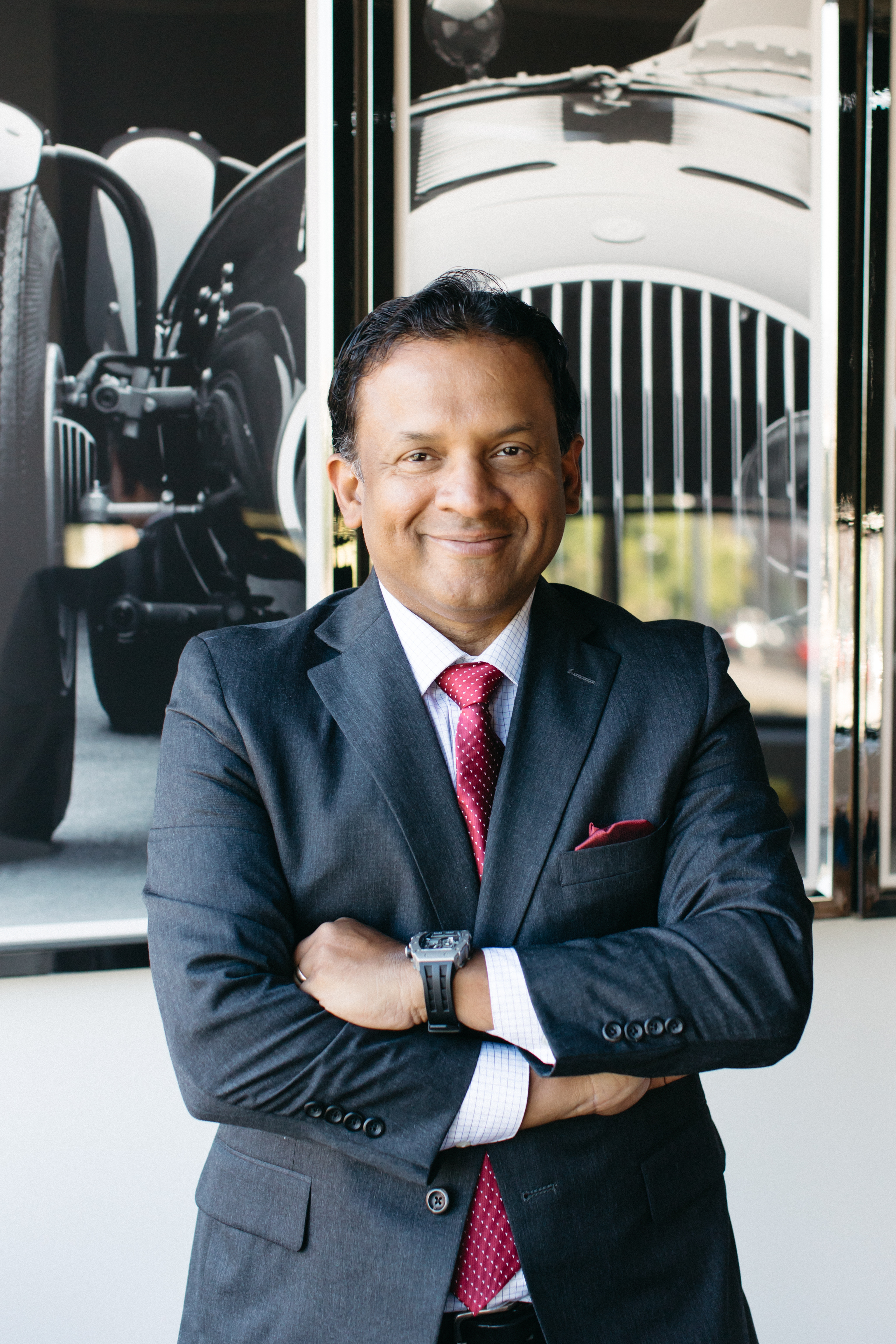
Author
Bijoy E. John, MD, is a board-certified physician and practicing sleep specialist currently in private
practice with over 25 years of experience in Pulmonary/Critical Care and Sleep Medicine. Based in
Nashville, TN, he treats both children and adults with various sleep disorders. Dr. John is the founder
and medical director of Sleep Wellness Clinics of America which offers in-person and online
consultation, education, modern diagnostic modalities, home testing, and comprehensive treatment
for a full spectrum of sleep disorders.
He also is the founder of Sleep Fix Academy which offers online courses, podcasts, and other
resources to improve sleep quality, and serves as an Assistant Professor at the University of
Tennessee Health Science Center College of Medicine.
Dr. John is a member of the American College of Physicians, American Medical Association, and
American Academy of Sleep Medicine. He was recognized as one of the Top 100 Physicians in
Nashville for 2022 by My Nashville magazine. Additionally, he received the Top Sleep Specialist
award consecutively from 2015–2020 from Nashville Lifestyle magazine, as voted by his peers and
patients. He is also mentioned in Marquis Who’s Who as one of the Top Sleep Physicians for 2023-24.
Dr. John has been happily married to Dotty for 30 years and is the proud father of two grown children.
He enjoys maintaining his coral reef aquarium, playing ping pong, tennis, golf, and loves to travel.